“the stars don’t belong to anyone — they belong to those brave enough to reach for them.”
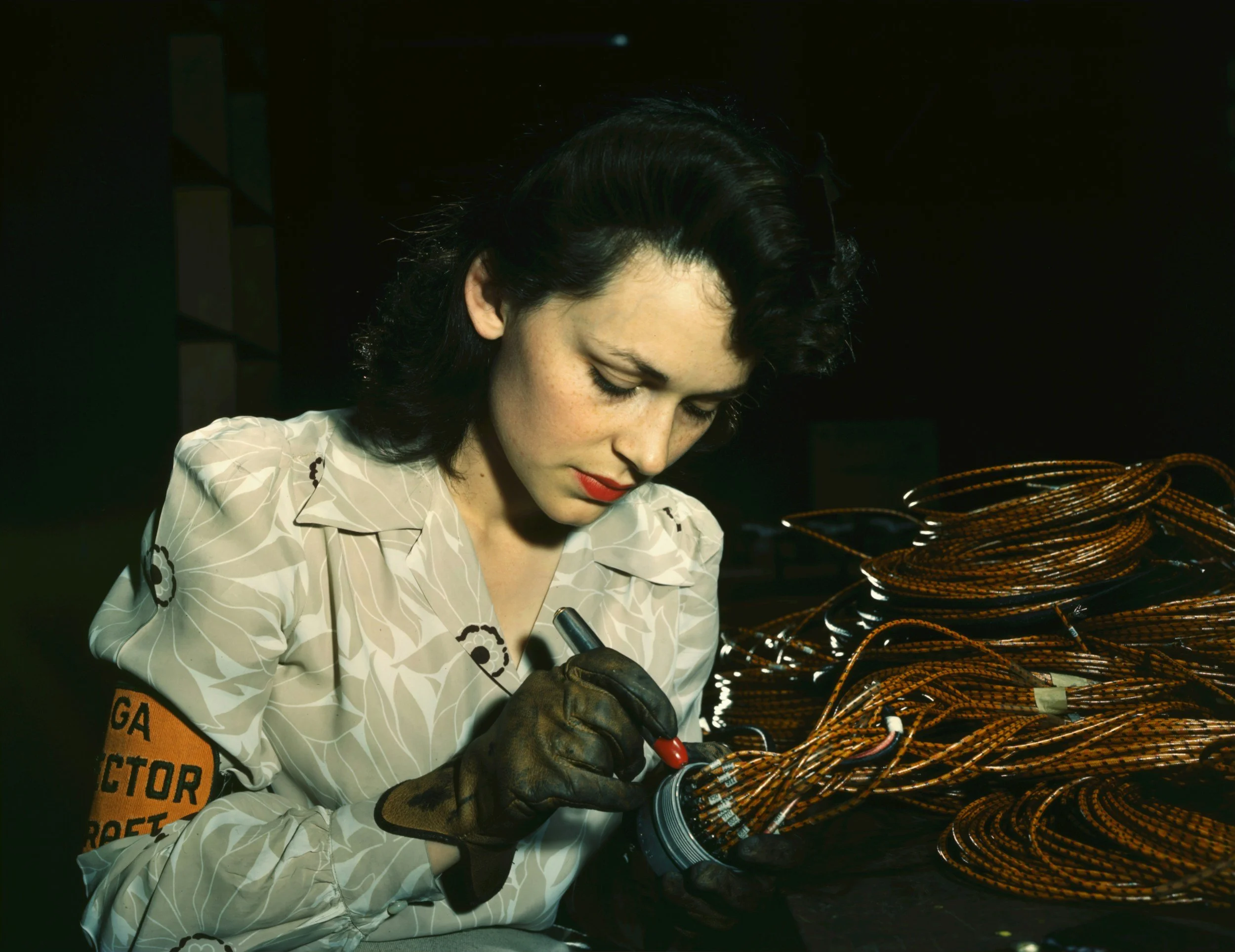
Women In STEM
Check out this Women in STEM Blog Post
🚀 Breaking the Glass Architecture
A Strategic Analysis of Historical STEM Barriers and Modern Inclusion Imperatives
Throughout STEM history, barriers to participation were often more than social norms—they were embedded into institutions themselves. This article explores how historical systems of exclusion shaped science and engineering and what modern leaders can learn from those legacies.
1. The Historical Framework of Institutional Exclusion
In the historical narrative of STEM, the absence of diversity has frequently been mischaracterized as a passive byproduct of era-specific social norms. A strategic analysis reveals a more deliberate reality: the scientific and technical landscape was not a neutral ground but an architected environment of exclusion.
Foundational barriers were intentionally integrated into the structural design of academic and professional institutions to maintain homogeneity...
"Understanding the architecture of exclusion is the first step toward building systems of inclusion."
2. Transition from Restricted Roles to Strategic Leadership
The pioneer transition marks a critical inflection point where individuals move from surviving an exclusionary system to actively re-architecting it.
3. The Catalyst of Institutional Policy Change
Individual performance cannot scale within a fractured infrastructure. True reform requires policy inflection points that normalize inclusion and remove barriers.
4. Identifying Persistent Systemic Challenges
When formal barriers are removed, they are often replaced by invisible architecture—soft barriers that are harder to detect but equally capable of limiting opportunity.
5. Strategic Synthesis: Lessons for Modern STEM Leadership
Historical grounding serves as a diagnostic tool for today's leaders. By understanding how exclusionary systems were built, organizations can better identify and remove modern barriers.